
THE REHAB TEAM
Acupuncture & Pain Management
Supporting natural healing, relieving discomfort and restoring balance.
Client-centred Planning
Coordinated Care
Clear Communication
Regional Expertise
Acupuncture is a traditional treatment originating from Traditional Chinese Medicine (TCM), with a history spanning more than 2,000 years. It involves stimulating specific points on the body to support the management of pain, improve circulation and promote overall wellbeing.
Traditional Chinese Medicine views pain as being associated with blockages or stagnation in the body's energy pathways. Acupuncture aims to restore balance and encourage the body's natural healing processes.
Our Acupuncture Specialists

How Acupuncture Works
During acupuncture treatment, ultra-fine, sterile, disposable needles are gently inserted into specific points on the body known as acupoints.
Within Traditional Chinese Medicine, these points are located along pathways called meridians, which are believed to influence the flow of energy throughout the body.
From a modern scientific perspective, acupuncture stimulation has been studied for its effects on the nervous system, circulation and the body's pain-regulating processes.
These responses may involve:
- Neurotransmitters: Chemical messengers involved in communicating pain signals and regulating how the body experiences discomfort.
- Hormonal Responses: Processes involved in regulating various bodily functions, including metabolism and energy balance.
- Immune Responses: The body's natural defence and inflammatory processes.
Complementary Treatment Therapies
Acupuncture may be combined with other therapies to provide a more comprehensive treatment experience.
Depending on individual needs, treatments may include:
- Cupping Therapy: Using suction to create a lifting effect on the skin and underlying tissues.
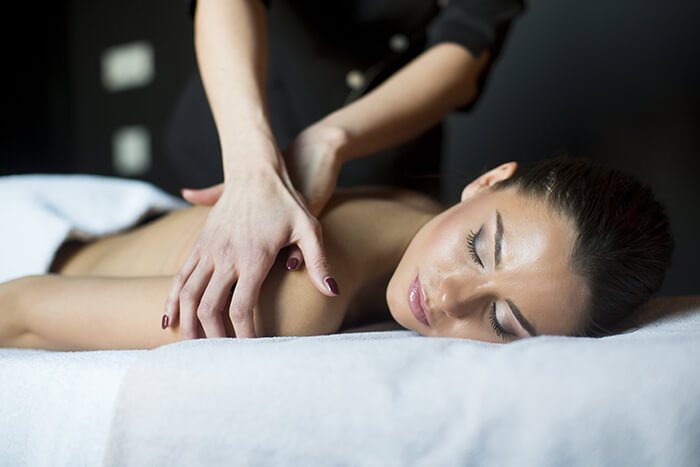
- Massage Therapy: Helping relieve muscle tension, tightness and discomfort.
- Infrared Lamp Therapy: Applying gentle heat to promote relaxation and local circulation.
These therapies may help address chronic pain, muscle tension, restricted movement and general discomfort.
Lifestyle and Ongoing Wellbeing
Effective treatment involves looking beyond symptoms and considering the broader factors that influence health and recovery.
Lifestyle factors such as physical activity, sleep quality, nutrition and emotional wellbeing may all play an important role in supporting overall health.
Your practitioner will discuss these factors as part of your individual treatment approach, helping you identify practical ways to support your wellbeing between appointments.
For persistent or chronic conditions, a series of treatments may be recommended, with ongoing care tailored to your individual needs and progress.
Our focus is on providing personalised care that supports your comfort, movement and overall wellbeing.